The handrail test: where community support fits in the future of adult social care
When people think about adult social care, they often picture complex assessments, care packages and overstretched services. But one story shared by Baroness Louise Casey this summer suggests the conversation may need to start somewhere much simpler: with a handrail.
In July, Baroness Louise Casey told council leaders about an older woman who wanted to fit a handrail at home to reduce her risk of falling. She was looking for the names of reliable, DBS-checked local tradespeople. Instead, she found herself going through an assessment process and being told she did not qualify for support she had never asked for.
We see examples like this every day across Hertfordshire. People are not always looking for adult social care. Often, they need practical support, trusted information, transport, connection or someone who can point them in the right direction. The challenge is that these needs sit between services, and too often people do not know where to turn.
For many people, a first need for support looks much like the handrail story. It is practical and close to home, arriving long before anyone would describe it as adult social care. How easily someone can access that support is a useful test for any future adult social care system, and one that community organisations can help answer.
The conversation we should be having
The Casey Commission has put prevention at the heart of the debate about the future of adult social care and is gathering views through its “Big Conversation on Care”. But alongside discussions about funding and structural development sits a simpler question: what helps people stay well before they ever need formal adult social care?
For many people, the answer is not an adult social care package. It is being able to get to an appointment, find practical help, access trusted advice, stay connected to their community, or get support before a situation reaches crisis point.
Much of that support is provided by local charities, volunteers and community groups. It is often small, local and practical, but it can make a significant difference to people’s wellbeing and quality of life.
If prevention is genuinely the goal, the conversation cannot stop at adult social care services. It must also include the community support that helps people live well for longer.
Prevention in practice
There is broad agreement that adult social care needs to become more preventative. The harder question is how that happens in practice when demand on services continues to grow.
The reality is that prevention often looks less dramatic than policy discussions suggest. Much of what helps people avoid or delay the need for adult social care is simple, local support: a volunteer driver, help navigating benefits, a community activity, support for an unpaid carer, or someone who knows where to turn for advice.
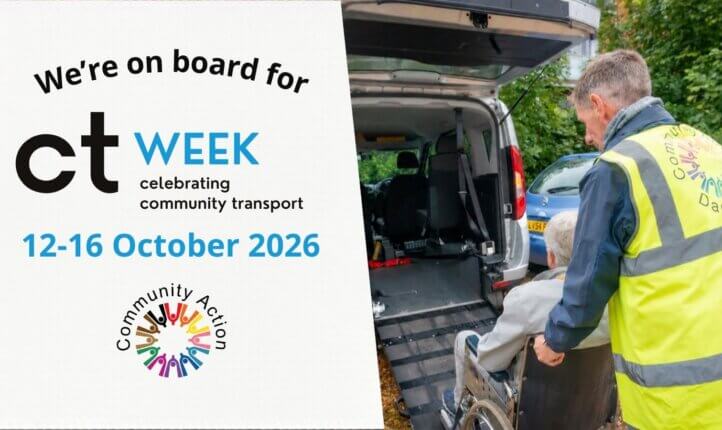
At Community Action, we see these needs frequently. Our volunteer drivers help people who cannot use public transport reach GP and hospital appointments. Through Dacortium, a partnership of seven local charities, people are connected to community activities, practical support and local services that can improve wellbeing and prevent needs from escalating.
Yet these are often the very services that come under pressure when budgets tighten. ADASS reported that spending on prevention fell by more than 10% in 2025, dropping to £1.3 billion, its lowest level since 2021/22.
If adult social care is to become more preventative, community-based support cannot be left to chance. It needs to be recognised, planned for and funded as part of the system.
Community support is part of the solution, not a substitute
Community organisations cannot replace adult social care, nor should they. People who need personal care, specialist support or complex interventions require skilled professionals and sustainable services.
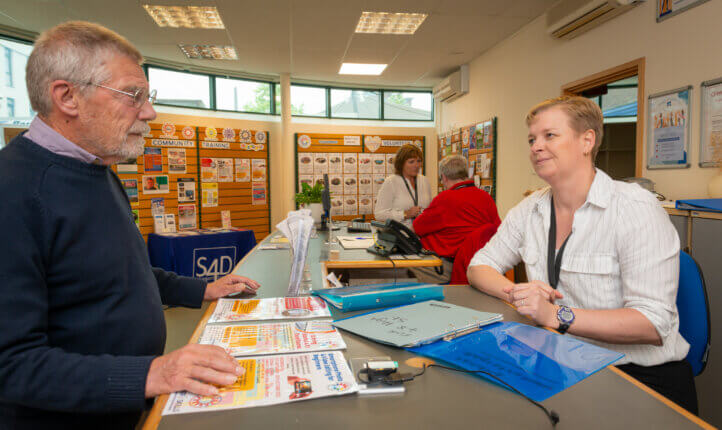
But community support can help people access advice, stay connected and address challenges before they escalate. For many residents, local charities and community groups are the first place they turn for practical support and trusted information. As part of our own work to better understand how people access advice and support, we are mapping community advice journeys across Hertfordshire. Early findings suggest that people are often more likely to seek information and guidance from trusted local networks, community groups and familiar organisations than from formal services. That trust is an important part of how people navigate challenges and find help early.
That does not remove the need for reform. The challenges facing adult social care, from workforce pressures to rising demand, require action at a national level. But reform will be stronger if it recognises the contribution communities already make every day.
Three things we should keep in mind
Recognise community infrastructure as prevention infrastructure
Community transport, social prescribing, volunteering, carers’ support and local wellbeing services are not optional extras. They are often the first line of support people encounter long before they become eligible for statutory adult social care.
If prevention is a priority, these services should be recognised as part of the infrastructure that helps prevent need from escalating.
Make it easier for people to find help
The handrail example highlights a challenge many people face. Support often exists, but navigating the system can be difficult.
Better signposting and stronger connections between statutory services and community organisations could help people find support earlier and more easily.
Listen to communities as well as professionals
The Big Conversation on Care provides an opportunity to hear directly from people who draw on support, care for loved ones, volunteer in their communities or run local organisations. Their experiences can help shape solutions that work not only in policy but in practice.
Here in Hertfordshire, the legacy of local government reorganisation remains part of a wider discussion about how services are delivered in the future. Whatever structures emerge, understanding and supporting the community networks people rely on every day will remain important.
The strength of partnerships between the voluntary sector and HCCs Adult Social Care team makes for a strong foundation for prevention in our County. Working together to recognise the value of the voluntary sector as a partner in a residents journey places emphasis on better lives, rather than red tape.
Back to the handrail
The future of adult social care will rightly focus on funding, workforce challenges and system reform. The case for reform is clear. ADASS estimates that 409,000 people are waiting for an assessment, care and support, a direct payment or a review, while councils overspent adult social care budgets by £715 million in 2025/26. Behind those figures are people, families and carers trying to navigate an increasingly stretched system.
But if we are serious about creating a more preventative adult social care system, we also need to pay attention to what happens before people ever require formal support.
Sometimes that starts with something as simple as a handrail, a volunteer driver, a conversation, or a trusted community organisation that knows where to turn next.
The handrail story points to a simple truth: prevention often starts with small, local support. Yet these are often the services most vulnerable when budgets are under pressure.
If prevention is to be at the heart of adult social care reform, community support must be recognised, planned for and funded as part of the system, not as an afterthought.
The Casey Commission is asking what adult social care should look like in the future. Community organisations cannot solve the challenges facing adult social care alone. But if prevention is to sit at the heart of reform, communities must be recognised as part of the answer from the start.
References
- Baroness Casey of Blackstock, speech to the Local Government Association, 7 July 2026. [Speech transcript]
- Independent Commission on Adult Social Care, Health and Social Care Committee report on the Casey Commission. [Parliamentary report]
- Independent commission into adult social care: terms of reference, Department of Health and Social Care. [Terms of reference]
- The Big Conversation on Care, Casey Commission. [Commission website and updates]
- Association of Directors of Adult Social Services (ADASS), Spring Survey 2025: prevention spending reduced by more than 10%, falling to £1.3bn. [localgov.co.uk], [themj.co.uk], [caremanage…ters.co.uk]
- Association of Directors of Adult Social Services (ADASS), Spring Survey 2026: 409,000 people waiting for assessment, care, direct payments or review. [independen…ving.co.uk], [homecareas…ion.org.uk]
- Association of Directors of Adult Social Services (ADASS), Spring Survey 2026: councils overspent adult social care budgets by £715m in 2025/26. [adass.org.uk], [adass.org.uk]